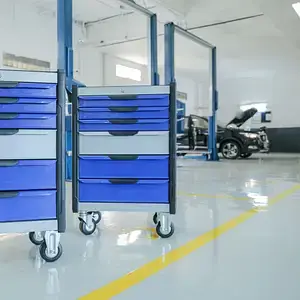
In today’s fast-paced logistics and distribution world, the strength and reliability of a facility floor can directly influence productivity, safety, and long-term operational costs. A professionally designed industrial floor is no longer a luxury—it is a necessity. From heavy pallet traffic to constant forklift movement, warehouse environments demand surfaces that can withstand pressure without cracking, dusting, or deteriorating over time.
A skilled warehouse flooring installer plays a crucial role in ensuring that these demanding conditions are properly addressed. They don’t just pour concrete; they engineer flooring systems that are tailored to the specific needs of each facility. This includes evaluating load requirements, moisture conditions, chemical exposure, and even workflow patterns. When these factors are properly considered, businesses benefit from fewer repairs, reduced downtime, and improved workplace safety.
Many companies underestimate how much impact flooring has on daily operations. A weak or uneven surface can slow down material handling, increase accident risks, and lead to expensive maintenance issues. On the other hand, a well-installed industrial floor becomes a silent contributor to efficiency, allowing teams to move faster and safer across large spaces.
Why a warehouse flooring installer matters for modern logistics facilities
A professional warehouse flooring installer brings technical expertise that goes far beyond basic construction work. They understand how different flooring materials behave under pressure and how to customize solutions for specific industries such as manufacturing, cold storage, or e-commerce distribution centers.
For example, epoxy coatings are often used in warehouses that require chemical resistance and easy cleaning, while polished concrete is preferred for high-traffic areas due to its durability and low maintenance requirements. A knowledgeable installer evaluates these options carefully before recommending the best system for long-term performance.
In addition, proper installation techniques are essential to prevent common issues like surface cracking, uneven settling, or moisture seepage. These problems may seem minor at first but can escalate into costly structural damage if not handled correctly. A trained professional ensures that every layer—from sub-base preparation to final finishing—is executed with precision.
Another important factor is safety compliance. Industrial flooring must often meet strict standards related to slip resistance, load-bearing capacity, and fire safety. A qualified installer ensures that all these requirements are met without compromising functionality or design.
One key advantage of working with experts is their ability to minimize operational disruption. Many warehouse flooring projects need to be completed while the facility remains partially active. Experienced installers plan the process in phases, allowing businesses to continue operations with minimal interruption.
- This phased approach often saves companies both time and revenue during renovation or expansion projects.
Benefits of investing in professional industrial flooring systems
When businesses invest in high-quality flooring installation, they are essentially investing in long-term operational stability. A durable floor reduces maintenance costs, improves equipment efficiency, and enhances employee comfort. Over time, these benefits contribute to stronger productivity and better workflow management.
Professional installers also help future-proof facilities. As businesses grow, warehouse demands often increase. A well-designed floor system can adapt to heavier loads and more frequent traffic without requiring complete replacement. This scalability is especially valuable for companies in logistics, retail distribution, and manufacturing sectors.
Another often overlooked benefit is cleanliness and hygiene. Smooth, sealed flooring surfaces prevent dust accumulation and make cleaning significantly easier. This is particularly important in industries where sanitation is a priority, such as food storage or pharmaceutical distribution.
Conclusion:
Choosing the right flooring solution is not just about appearance—it is about performance, safety, and long-term value. A professional warehouse flooring installer ensures that every aspect of the flooring system is engineered to support heavy-duty industrial use while maintaining efficiency and safety standards.
By investing in expert installation, businesses reduce risks, lower maintenance expenses, and create a more productive working environment. In the long run, strong flooring becomes the foundation that supports every other aspect of warehouse success, proving that what lies beneath your operations is just as important as the operations themselves.