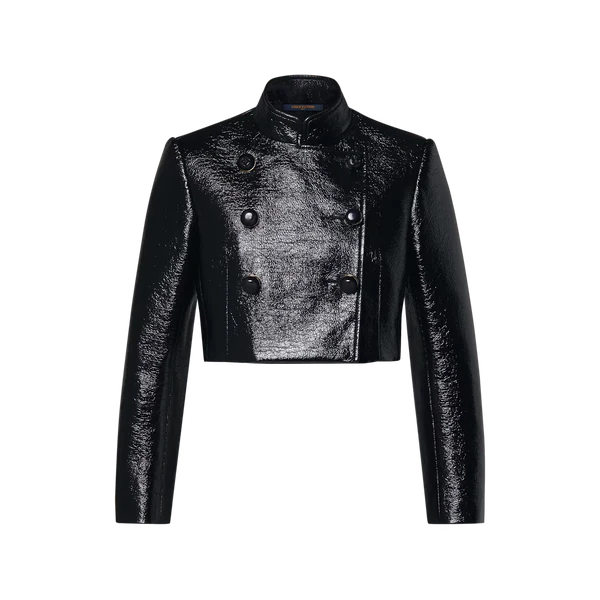
Start with the construction, not the logo. A well made coat tells you what it is worth in the first thirty seconds, if you know where to look. Feel the weight of the cloth between two fingers. Watch how the lapel rolls instead of folding flat. Check whether the lining moves with the body or fights it. Price tells you very little on its own. Construction tells you almost everything.
Most of us learn this lesson the expensive way. You buy the piece everyone is posting about, wear it through one season, then watch the shoulders collapse and the seams pucker after a single dry clean. The disappointment is not really about money. It is about the gap between what you thought you were buying and what actually arrived in the box.
This guide walks through the checks that separate a garment you will keep for a decade from one you will quietly donate next spring.
What Makes Luxury Brand Clothing Different From Regular Clothing?
The short answer: fabric sourcing, hand finishing, and pattern work. Those three things account for most of the price difference, and all three are visible if you slow down.
Start with the mill. The best houses do not weave their own clothes. They buy it from specialists such as Loro Piana, Zegna Baruffa, Scabal and Dormeuil, mills that have spent a century refining a handful of weaves. A jacket cut from mill cloth drapes differently on day one and still drapes that way after two hundred wears.
Then look at the inside. Turn a blazer inside out and check the seam allowance. Cheap manufacturing trims it to nothing because fabric costs money. Good manufacturing leaves enough room for a tailor to let the piece out later, which matters more than people expect, because bodies change.
Two more tells. First, canvassing. A properly made jacket has a floating layer of horsehair canvas between the outer cloth and the lining, and it molds to your chest over time. A fused jacket is glued instead, and glue bubbles after a few years. Pinch the front panel and roll it between your fingers. If you feel a distinct third layer sliding, that is canvas. Second, buttonholes. Machine holes look perfect and slightly plastic. Hand sewn holes have a small gimp cord inside them and a subtle irregularity to the stitch that is oddly satisfying once you notice it.
Pattern matching is the final giveaway. On a striped or checked garment, the lines should meet across the side seams, across the pocket flaps and across the back. Aligning a check wastes fabric, so brands that cut corners simply do not bother.
How Can You Tell If a Luxury Garment Is Authentic?
Check the boring details first, because counterfeiters get the flashy ones right.
The care label is a good place to start. Real labels list exact fibre percentages, the country of manufacture, and a style or reference code that matches the brand’s own system. Odd spacing, a wobbly font, or a generic composition like “100% fabric” is a red flag. Hardware is the second checkpoint. Zippers from Lampo, Riri or YKK Excella feel heavy, run smoothly with one finger, and carry a clean engraved mark. A tinny zip that sticks halfway is not something a serious house would sign off on.
Stitch density matters too. Count the stitches across one inch of a straight seam. Quality garments usually sit somewhere between eight and twelve stitches per inch, consistently, with no skipped runs or loose tails. Fakes tend to run fast and loose because speed is the whole business model.
Provenance is the part people skip. Where a piece came from is part of what you are buying. Ask for the invoice, the original packaging, the dust bag, and any authentication paperwork. If a seller gets uncomfortable at that question, that answer is the answer.
Which Fabrics Are Worth Paying For, and Which Are Not?
Fabric is where your money either works hard or disappears quietly.
Is Cashmere Always Better Than Merino Wool?
No, and this surprises people. Cashmere quality depends on fibre length and micron count. Long staple fibres of around 34 to 36 millimetres, spun into two ply yarn, resist pilling and hold their shape for years. Short, cheap cashmere pills after three wears and thins at the elbows by the second winter. A dense two ply merino from a good mill will outlast a weak cashmere every single time.
A quick test in the shop: stretch a small section of knit and let go. Good yarn springs back. Weak yarn stays stretched and looks tired immediately.
What Should You Check Before Buying Silk or Leather?
For silk, look at momme weight. Anything under sixteen momme is thin and will snag. Nineteen to twenty two momme is where good shirts and slip dresses live. For leather, ask what the hide is. Lambskin feels beautiful and scratches easily. Calfskin is tougher and ages better. Vegetable tanned leather darkens into a patina over years, while chrome tanned leather stays flat and even. Neither is wrong. They just age in opposite directions, so pick the one that matches how you actually live.
How Much Should You Spend on Your First Designer Piece?
Use cost per wear rather than a fixed budget. Divide the price by the number of times you will realistically wear the piece in a year, then again over five years.
A well cut wool coat at 1,200 dollars, worn four times a week for four months a year, comes to around 70 wears a year and 350 wears across five winters. That is roughly three and a half dollars per wear. Compare that with a trend driven jacket at 200 dollars worn eight times before it stops feeling current. The cheap option costs 25 dollars per wear. The expensive one was the bargain.
So the honest rule is this. Spend the most on the pieces that touch your body every day and carry your silhouette: outerwear, tailoring, shoes and one excellent bag. Spend less on anything loud, seasonal or logo heavy.
Where Should You Buy When the Boutique Does Not Have Your Size?
This is the quiet frustration of the whole category. The piece exists, it just exists in Milan, in a size that sold out in your city three weeks ago.
That gap is why independent sourcing ateliers exist. Working with a curated platform for luxury brand clothing means someone with relationships across Paris, Milan, New York and Dubai can track a specific reference, confirm its authenticity, and handle the logistics of getting it to you. Coco Et Loco works this way, sourcing menswear, womenswear, footwear, watches and rare pieces that never reach open shelves.
Two things to verify before you commit to any sourcing partner. Ask how they authenticate, and ask what happens if the fit is wrong when it arrives. A serious operation answers both without hesitation.
How Do You Care for Luxury Clothing at Home?
Dry cleaning is not maintenance. It is a last resort, and chemical solvents strip natural oils out of wool every time.
Here is what actually extends the life of good clothing:
- Rest each garment for at least 24 hours between wears so the fibres recover.
- Brush wool with a soft bristle brush after wearing to lift dust before it settles.
- Use broad wooden hangers for tailoring, never wire, because wire carves dents into shoulders.
- Steam instead of ironing. Steam relaxes fibres. A hot iron flattens and eventually shines them.
- Store knitwear folded, not hung, and keep cedar blocks nearby rather than mothballs.
- Spot clean small marks with a damp cloth straight away instead of waiting for a full clean.
Do all of this and a good coat will still look right in ten years. Skip it and the same coat will look tired in two.
So, Is Luxury Clothing Worth the Money?
It is worth it when you buy construction, and it is a waste when you buy attention. That is the whole distinction.
The wardrobes that look effortless are rarely the largest ones. They belong to people who bought a handful of very good things, learned how to care for them, and stopped replacing clothes every season. Buy slowly, check the seams, ask where the fabric came from, and let the pieces earn their place.
Frequently Asked Questions
Is luxury brand clothing a good investment? Some categories hold value well, particularly rare handbags, watches and archive pieces from established houses. Most ready to wear does not appreciate, so buy it for wear and comfort rather than resale.
How do I know my real size in designer clothing? Sizing varies widely between Italian, French and American houses. Measure your chest, waist, hip and sleeve length once, keep those numbers on your phone, and compare them against the brand’s own measurement chart rather than trusting the label.
Can luxury clothing be tailored after purchase? Yes, and most pieces should be. Sleeve length, trouser hem and waist suppression are routine adjustments. Avoid altering shoulders, since that means rebuilding the entire jacket.
What is the difference between a boutique and a sourcing atelier? A boutique sells the stock it was allocated. A sourcing atelier searches globally for a specific piece, including sold out references and vintage stock, then verifies and delivers it.
How often should I dry clean a wool coat? Once or twice per season at most. Brushing, steaming and spot cleaning handle the rest and are far gentler on the fibres.