Anyone who has worked a loading dock knows the routine. Someone grabs a tape measure, squints at a pallet, scribbles numbers on a clipboard, and hopes they were read correctly later. It works, but it’s slow, and one wrong number can turn into a billing dispute a few weeks down the line.
A pallet dimensioner takes that whole job off the dock worker’s hands. Here’s what it is and how it works.
What a Pallet Dimensioner Actually Does
A pallet dimensioner is a scanning system that measures the length, width, and height of a pallet, and usually its weight too, while the freight sits in one spot. No tape, no handwriting, no guessing.
Why does this matter? Because carriers bill on those numbers, and trailer loading plans depend on them. If the measurements are off by even a few inches, you either pay for space you didn’t use or get hit with a correction charge later. Capturing accurate data the moment freight arrives avoids both.
What’s Inside the System
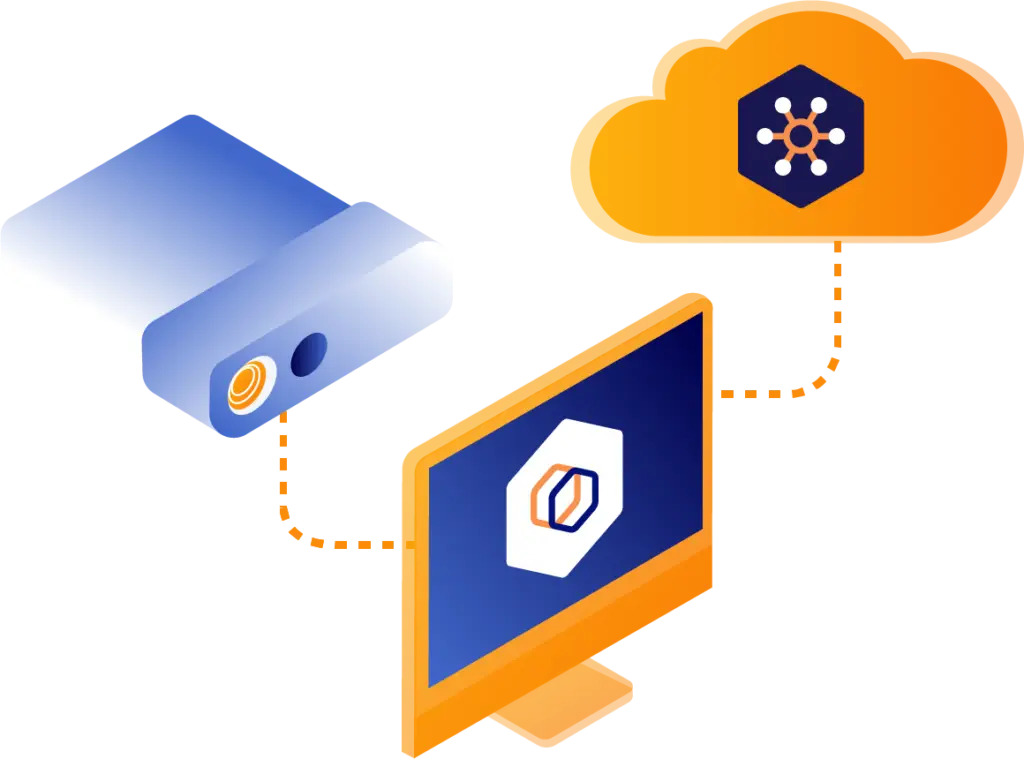
Most setups have four parts:
- Overhead sensors or cameras, mounted above the scanning area, that read the shape of the load
- A floor scale under the pallet to record gross weight
- A small computer that turns the raw scan into clean measurements
- Software, usually cloud-based, where the records are stored and shared
The scale and the scanner work together, so the weight and the dimensions end up in the same record. Nobody has to type anything in.
How the Sensors Read a Pallet
The sensors build a 3D picture of the load, mapping its outer edges as points in space. Real freight is rarely a neat cube. Boxes hang over the edge, shrink wrap bulges, and stacks lean a little. The system measures the outermost points, so what you get is the space the pallet really takes up, not the space it was supposed to take up.
The software then converts that scan into cubic measurements in the format carriers and shipping paperwork expect.
How It Works on the Dock
There’s very little change to how people already work. A forklift driver or pallet jack operator brings the load into the marked scanning zone. The system notices the pallet and starts measuring on its own. The driver doesn’t need to press anything or wait around.
Here’s the usual sequence:
- The operator moves the pallet into the scanning zone.
- The overhead sensors trigger and capture the dimensions.
- The floor scale records the weight at the same time.
- The system saves the volume, the weight, and a photo of the pallet.
- The record goes to your management software, ready for billing checks.
Why Cloud Software Matters
Once a scan is done, the data goes straight to a cloud platform. Anyone with access can pull it up from a laptop or phone, whether they’re in the same building or across the country. If you run more than one facility, this also means everyone is working from the same numbers, so a pallet doesn’t get measured one way in Dallas and another way in Atlanta.
Updates and maintenance can be handled remotely too, which saves a lot of back and forth with IT.
The Real Benefits
The most obvious win is fewer billing surprises. When you record accurate dimensions up front, carrier re-weigh and re-measure charges tend to shrink, because there’s less to argue about.
The photo record helps too. If a customer says a pallet left your dock damaged, you have a time-stamped picture showing what it looked like when it went out.
Other practical gains:
- Faster docks. A scan takes about two to three seconds, so trucks and forklifts aren’t waiting in line for a tape measure.
- Less strain on your team. Nobody is climbing and stretching to measure tall pallets.
- Better trailer planning. Accurate cubic data lets you pack trailers more tightly.
- Stronger relationships with carriers. Clean, consistent data on every shipment builds trust over time.
Conclusion
A pallet dimensioner replaces slow, error-prone hand measuring with fast, consistent digital records. You get accurate numbers, photo proof, and data your whole team can see in one place. For any warehouse that ships a lot of freight, it’s a straightforward way to cut disputes, save time, and protect your margins.
Frequently Asked Questions
How long does a scan take?
Usually two to three seconds. In that time the system captures the dimensions, weight, and a photo while the pallet stays on the active dock floor.
Can it handle oddly shaped freight?
Yes. The sensors measure the full outer boundary, so overhanging boxes, leaning stacks, and irregular loads are accounted for without anyone adjusting the numbers by hand.