Most people are surprised by the price of a trip to northern Mustang. Compared with the Everest or Annapurna treks, it costs noticeably more, and that is not an accident. The area is a restricted zone, and the government keeps visitor numbers low to protect the culture and the fragile desert landscape. Once you know where the money goes, the numbers make sense, and you can plan without nasty surprises on the trail.
The easiest way to keep costs clear is to book through a local agency that quotes everything up front. When you book an Upper Mustang trip with a registered operator, permits, guide, transport, lodging and meals are usually bundled into one price. That matters here because there are no banks or ATMs once you leave Jomsom, and running short of cash in a remote village is a real problem.
Permits Are the Biggest Cost
The Restricted Area Permit is USD 500 per person for the first ten days. Each extra day beyond that adds around USD 50. On top of this, you need the ACAP permit for the Annapurna Conservation Area, which costs a small fraction of the restricted permit. Together, permits often take up close to half of the total budget, which is why a cheap-looking quote without them deserves a second look.
Transport and Logistics
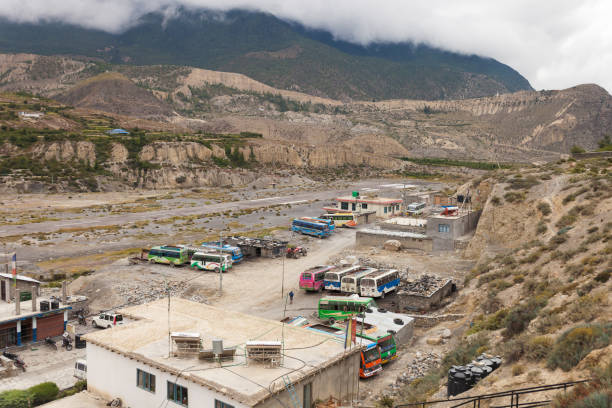
How you travel changes the price quite a bit. A private jeep from Pokhara is the most common choice, and costs are shared between the people in the vehicle, so a bigger group pays less each. Flying to Jomsom and continuing by jeep saves a day but adds the flight fare. Trekking cuts vehicle costs, but you need more days, so you pay more for guides, porters and lodging.
Guide, Porter and Staff
A licensed guide is mandatory, and you pay a daily rate that covers his food and lodging as well. A good guide is worth the money. He handles checkpoint paperwork, explains the history and keeps an eye on your health at altitude. If you trek and want lighter bags, hiring a porter is a small extra cost that many people find well spent.
Food and Lodging
Teahouses are simple but warm, with basic rooms and hearty meals. Prices rise slowly as you go higher, because everything has to be carried in by road or animal. Dal bhat, noodle soup and Tibetan bread are the usual choices. Lo Manthang has a few more comfortable lodges, and these cost a bit more than the village teahouses.
Extras to Keep Cash For
Even with an all-inclusive package, carry some rupees for the small things:
- Hot showers and device charging in the teahouses
- Wi-Fi or data in the few places that offer it
- Bottled drinks, snacks and chocolate
- Tips for your guide, driver and porter
- Souvenirs such as Tibetan rugs, prayer flags or local apple brandy
What Is Worth Paying More For
If your budget has some room, spend it on a private vehicle, a guide with plenty of experience and a few extra days. Extra days reduce the pressure, give you time to adjust to the altitude and let you see more of Lo Manthang and the caves. A good operator will also keep emergency contacts, a satellite phone and evacuation arrangements ready, which is a comfort in such a remote place.
Conclusion
This is an expensive trip by Nepali standards, but the cost is tied to something real: a protected region with few visitors, fixed permit fees and difficult logistics. Check what your package includes, ask about extra days, and keep a cash reserve for personal spending. With the budget settled before you leave, you can focus on the cliffs, the monasteries and the quiet roads instead of on money.