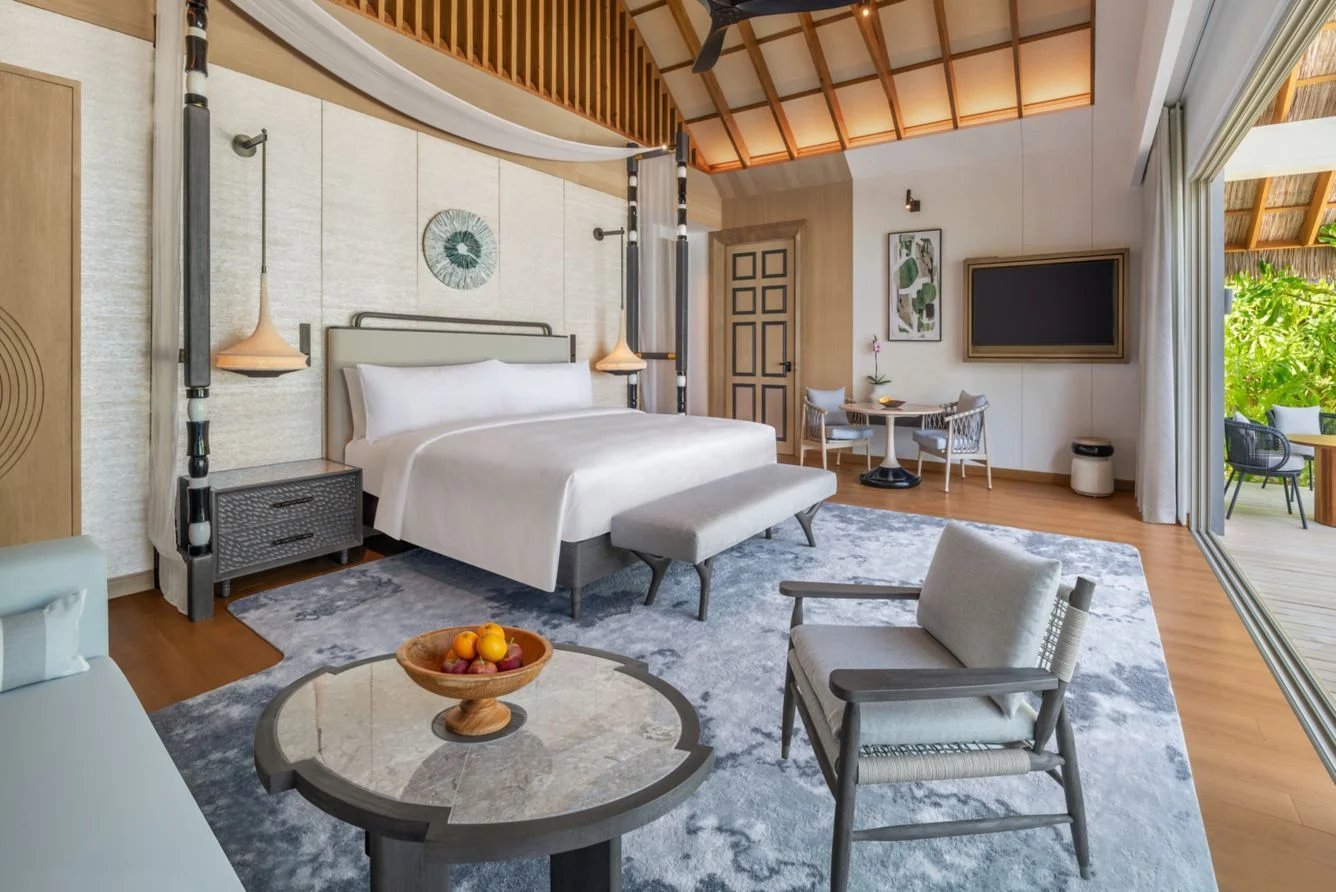
Guests rarely notice good furniture. They notice bad furniture: a wobbly desk chair, a headboard that scuffs after two months, a wardrobe door that won’t close properly. The supplier you pick decides which of those stories your hotel ends up with.
custom hotel furniture supplier adds another layer. The pieces have to fit your drawings exactly, arrive on time, and survive years of daily use. Not every factory can do all three.
Know What You Need Before You Contact Anyone
Start with your own paperwork. Collect floor plans, room layouts, the design concept, and a realistic budget range. Suppliers can only quote accurately when they can see the dimensions and finishes you have in mind.
It also saves you from revision cycles later. If a vendor reads your drawings and points out that a bedside unit won’t clear the door swing, you want to hear that in week one, not after the sample is built.
Check the Factory, Not Just the Catalogue
A portfolio shows what a company has made. It doesn’t show how. Ask about the materials they use for frames, such as solid hardwood, plywood grades, and metal gauges, and what fabrics they use for upholstery. Ask for test data. Fabric abrasion ratings (Martindale or Wyzenbeek) and fire-safety compliance for your market are reasonable things to request.
Then ask for physical samples. A reliable supplier will send material swatches and finish boards, and will usually build a full mock-up of at least one key piece, often the bed or the desk, before production begins. If you can visit the factory, do it. If not, ask for a recent video walkthrough and references from hotels they have already supplied.
Why Custom FF&E Is Worth the Effort
FF&E covers furniture, fixtures and equipment, and in a hotel it affects both guest comfort and daily operations. Custom pieces let you use awkward spaces properly. A desk can be built to fit a narrow alcove. A luggage bench can hide extra storage. Power outlets and USB ports can sit inside the nightstand or headboard instead of trailing cables across the wall.
There is a branding benefit too. A room with a distinct headboard or a signature lounge chair gets photographed and posted. Standard catalogue furniture rarely does that.
Timelines and Shipping
Late delivery costs money. Rooms can’t open, staff are paid to wait, and bookings get moved. Before you sign, ask how the supplier handles the stretch from shop drawings to approval, production, packing and shipping.
Look for a named project manager rather than a general sales inbox. Ask how shipments are tracked, how pieces are packed to prevent damage in transit, and whether they can label cartons by room number so installers don’t have to sort through hundreds of boxes on site.
A Practical Shortlisting Checklist
When you compare vendors, these points separate the serious ones from the rest:
- Experience with hotels of a similar size and standard to yours
- Proof of export experience and commercial durability testing
- Ability to handle loose furniture, lighting and built-in joinery in one package
- An in-house design team and quick prototyping
- A written warranty that covers commercial use, not just residential wear
Joinery and Lighting Should Match the Furniture
Loose furniture and fixed millwork are often made by different companies, and it shows. The walnut on the headboard doesn’t quite match the wall panels, or the metal trim on the vanity is a slightly different shade of brass.
Using one supplier for both keeps finishes consistent. The same applies to lighting. LED strips built into wardrobes and headboards at the factory mean fewer electrical tasks for your contractor on site, and fewer places where something can go wrong.
Making the Final Call
By this stage you should have seen samples, read the quotes line by line, and spoken to the people who will actually run your project. Pick the team that answered your hard questions clearly and raised concerns before you did. Price matters, but a cheap quote that turns into a delayed opening is not cheap.
The right custom hotel furniture supplier will treat your project as their own, from the first drawing to the last piece installed.
Frequently Asked Questions
Why choose custom furniture over ready-made pieces for a hotel?
Custom furniture is built for commercial use, fits your actual room sizes, and matches your brand. It also lets you add features such as built-in charging points that standard pieces don’t offer.
When should I contact a supplier?
During schematic design, ideally six to nine months before your planned installation date. That gives enough time for drawings, samples, production and shipping without rushing.