I used to think I was bad at languages. Turns out I was just bad at note taking. For almost a year on italki, I’d finish a lesson, close the tab, and move on with my day. The new words my tutor gave me stayed in the chat box for exactly as long as it took me to forget I’d ever seen them.
If that sounds familiar, the problem usually isn’t your memory. It’s that most of us take notes the way we were taught to take notes in school: write down everything, review nothing. A lesson isn’t a lecture. It’s a conversation, and conversations move fast, so your notes need a different shape.
What should you actually write down?
Not everything. That’s the trap. If you try to transcribe the whole lesson, you’ll spend more time writing than speaking, and your tutor will notice you’ve gone quiet. Instead, aim for three categories: new vocabulary, corrections to things you said wrong, and one or two phrases your tutor used that you liked the sound of.
Vocabulary, not sentences
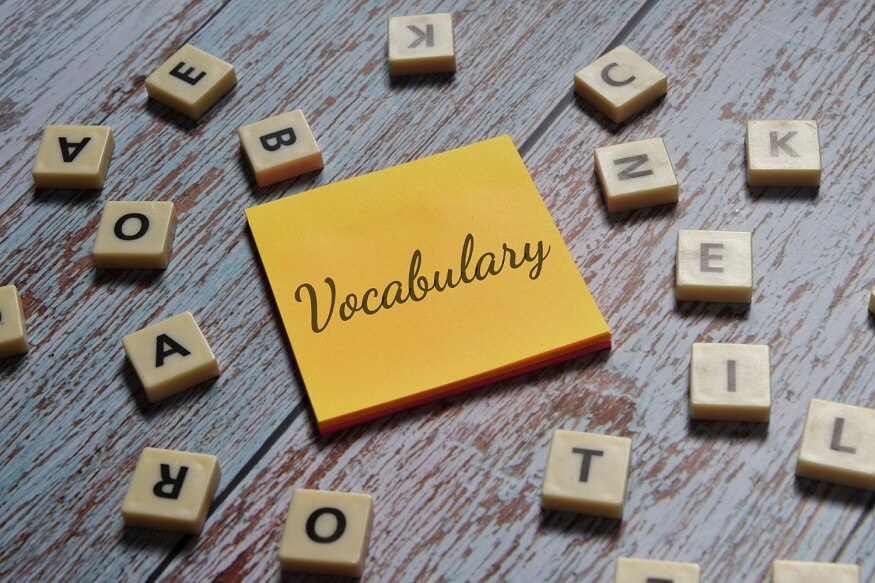
Write the word, a short example sentence in the target language, and a rough translation. Skip the grammar explanation unless it genuinely confused you. You can look up grammar rules later; you can’t recreate the exact moment a word clicked for you.
Corrections, in your own words
When your tutor fixes something, don’t just copy their correction. Rewrite the sentence yourself right after, in your own handwriting or your own typing rhythm. That tiny act of re-producing it is doing more for your memory than the correction itself.
Where should the notes live?
Anywhere consistent. A shared doc, a notes app, even a paper notebook you keep by your desk. The platform matters less than the habit of putting everything in one place instead of scattered across screenshots, chat logs, and sticky notes.
The bigger issue for most learners is what happens after the notes are written. This is where italki lesson notes tend to die a quiet death: they sit in a document nobody opens again. A tool built for exactly this problem, like Verbamor, takes those raw notes and turns them into something you’ll actually review, instead of a growing pile of good intentions.
How often should you review them?
Ten minutes before your next lesson beats an hour the night before an exam that doesn’t exist. Language learning rewards short, frequent contact far more than long, occasional cramming. Even a quick scroll through last week’s notes while you’re waiting for coffee to brew does something.
Final thoughts
Good lesson notes aren’t a transcript. They’re a small, honest record of the exact words that gave you trouble, written in a way that makes it easy to face them again next week. Start smaller than you think you need to, and let the habit build from there.