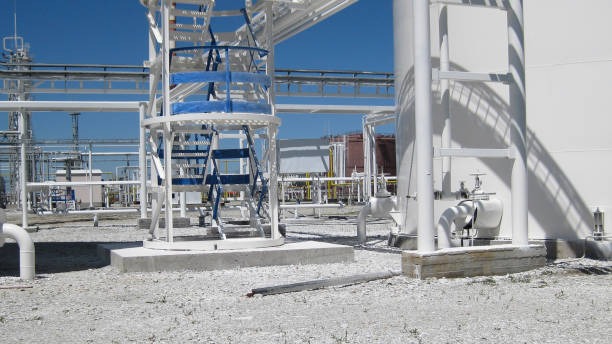
Industrial facilities often operate under harsh conditions involving chemicals, moisture, and heavy machinery. Without proper containment systems, these environments can cause structural deterioration and environmental hazards. Experienced secondary containment coating contractors provide advanced coating solutions that protect industrial infrastructure and improve long-term operational performance.
Containment coatings are used to seal and protect surfaces exposed to hazardous substances. These systems create a durable barrier that prevents corrosion, chemical penetration, and moisture-related damage.
Importance of Protective Industrial Coatings
Industrial structures constantly face risks from spills, leaks, and environmental exposure. Protective coatings help maintain the integrity of containment areas by preventing hazardous materials from reaching concrete or steel surfaces.
Professional secondary containment coating contractors evaluate industrial conditions carefully before recommending coating systems. Different facilities require different levels of chemical resistance, flexibility, and durability depending on operational demands.
Protective coatings also improve maintenance efficiency by creating smooth surfaces that are easier to clean and inspect. This helps facilities identify potential problems early and maintain safe operating conditions.
Surface Preparation and Installation Process
Effective coating performance begins with proper surface preparation. Industrial surfaces must be cleaned and repaired before coating application to ensure strong adhesion and long-term durability.
Experienced Industrial Containment Lining Installers use advanced preparation techniques such as grinding, abrasive blasting, and crack filling to create a stable substrate. Proper preparation reduces the risk of coating failure and improves system performance.
After preparation, coating materials are applied using specialized equipment and controlled procedures. Correct application thickness and curing conditions are essential for achieving reliable chemical resistance and waterproofing capabilities.
Advantages of High-Performance Containment Systems
Containment coatings provide several important benefits for industrial operations. One major advantage is corrosion resistance. Industrial chemicals and moisture can weaken untreated surfaces over time, resulting in structural damage and costly repairs.
Protective coatings also contribute to workplace safety by reducing the risk of leaks and contaminated surfaces. Reliable containment systems create safer environments for workers and surrounding communities.
Another significant benefit is improved operational efficiency. Durable coating systems reduce maintenance interruptions and help facilities maintain consistent productivity.

Common Industrial Applications
Containment coatings are widely used in industries such as chemical processing, energy production, manufacturing, and wastewater treatment. Storage tank areas often require strong protective linings to prevent leaks from spreading into surrounding environments.
Manufacturing facilities use containment systems on floors and processing zones exposed to chemicals and heavy traffic. Wastewater treatment plants rely on durable coatings to resist constant exposure to moisture and corrosive substances.
Industrial Containment Lining Installers also work in fuel storage terminals and industrial warehouses where dependable containment protection is critical for regulatory compliance and operational safety.
Selecting the Best Coating Materials
Different industrial environments require specific coating technologies. Epoxy coatings are commonly used because they provide excellent durability and chemical resistance. Polyurea systems are ideal for applications requiring rapid curing and waterproof protection.
Secondary containment coating contractors evaluate factors such as chemical exposure, operational temperature, and maintenance needs before selecting a coating system. Proper material selection improves long-term performance and reduces maintenance expenses.
Customized containment systems provide stronger protection against industrial wear and environmental stress. Choosing the right coating technology helps facilities maintain reliable operations and infrastructure stability.
Long-Term Maintenance and Inspection
Regular maintenance is essential for preserving coating effectiveness. Industrial conditions can gradually damage protective systems through impact, abrasion, and chemical exposure.
Routine inspections by Industrial Containment Lining Installers help identify small issues before they develop into major structural problems. Maintenance services may include touch-up repairs, recoating, and cleaning procedures to maintain system integrity.
Facilities that invest in preventive maintenance often benefit from lower repair costs and improved operational reliability. Consistent maintenance also supports compliance with industrial safety and environmental standards.
Conclusion
Industrial containment coatings play a critical role in protecting facilities from corrosion, chemical damage, and environmental risks. Durable coating systems improve safety, reduce maintenance costs, and strengthen operational performance. Skilled Industrial Containment Lining Installers ensure proper installation and long-term reliability for industrial containment systems. By working with trusted secondary containment coating contractors, businesses can maintain strong infrastructure protection and support safe industrial operations for years to come.