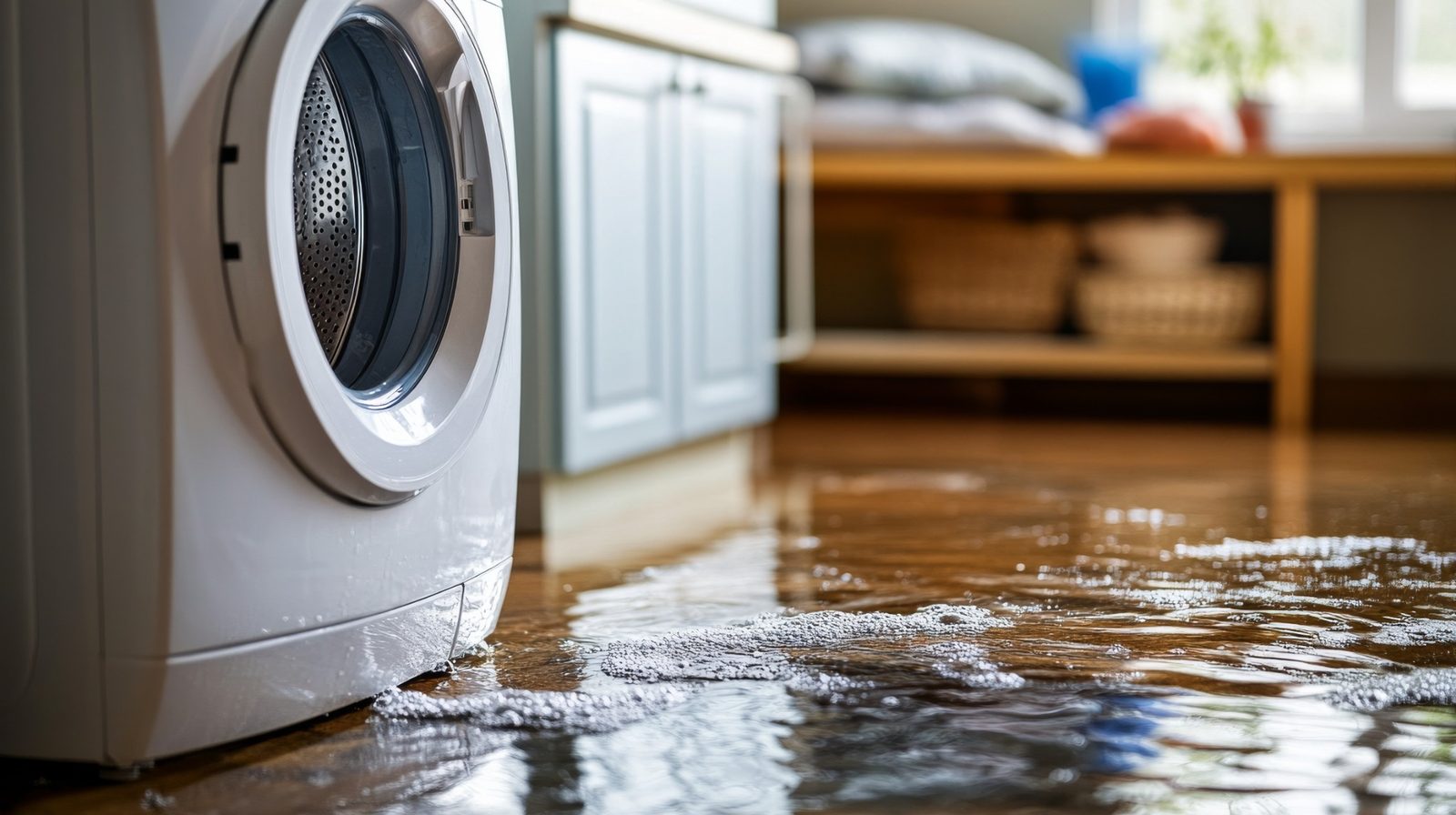
One of the first questions homeowners ask after an appliance breaks is, “How much will this cost to fix?”
The honest answer is that appliance repair cost depends on much more than the visible symptom.
Two appliances showing the exact same problem may require completely different repairs. For example, a refrigerator that isn’t cooling could need a simple thermostat replacement or an expensive compressor repair. Likewise, a washing machine that won’t spin may only need a new drive belt—or it could require a replacement motor or electronic control board.
Because the actual cause isn’t known until a technician performs a diagnostic inspection, repair estimates are usually provided after the problem has been accurately identified.
Understanding what influences appliance repair cost helps homeowners make informed decisions before approving repairs.
The Three Biggest Factors That Affect Appliance Repair Cost
Every repair estimate is built around three primary considerations:
- Replacement parts
- Labor time
- Appliance type
These factors determine nearly every repair quote regardless of appliance brand.
Replacement part cost
The largest variable in many repairs is the replacement component itself.
Some parts are inexpensive because they’re commonly stocked and easy to manufacture.
Examples include:
- Thermal fuses
- Door switches
- Igniters
- Water inlet valves
- Belts
- Rollers
- Lid switches
Other components are substantially more expensive due to their complexity.
These may include:
- Compressors
- Electronic control boards
- Drive motors
- Inverter boards
- Sealed refrigeration components
- Display assemblies
The availability of manufacturer-specific parts can also influence appliance repair cost, particularly for premium or discontinued appliance models.
Labor time
Labor often represents a significant portion of appliance repair cost.
Replacing an easily accessible thermal fuse may require only a short service visit.
By comparison, repairs involving drum bearings, transmission components, compressors, or sealed refrigeration systems require much more disassembly and technical work.
Even if two replacement parts cost roughly the same, the labor involved can differ considerably.
Technicians also spend time performing:
- Diagnostic testing
- Electrical measurements
- Safety inspections
- Functional testing after repairs
- Reassembly of the appliance
All of these tasks contribute to the overall repair estimate.
Appliance type
Different appliances naturally require different repair procedures.
For example:
- Refrigerators contain sealed cooling systems.
- Washing machines use pumps, motors, and suspension components.
- Dryers combine heating systems with mechanical drum assemblies.
- Dishwashers involve pumps, valves, and water circulation systems.
- Ovens and ranges include heating elements, gas components, and electronic controls.
The complexity of each appliance directly affects appliance repair cost because it influences both replacement parts and labor requirements.
Typical Appliance Repair Cost by Appliance Type
Although exact pricing varies by region, manufacturer, and repair company, homeowners can generally expect repair costs to increase with appliance complexity.
Refrigerator and freezer repairs
Common refrigerator repairs include:
- Thermostat replacement
- Evaporator fan motors
- Ice maker repairs
- Defrost system repairs
- Water inlet valves
These repairs are often less expensive than major sealed-system work.
Compressor replacement or refrigerant system repairs typically represent the highest appliance repair cost for refrigerators due to specialized equipment, labor, and certification requirements.
Washer repairs
Common washing machine repairs include:
- Drain pumps
- Door locks
- Suspension rods
- Water inlet valves
- Drive belts
- Lid switches
More expensive repairs may involve transmission components, drive motors, or electronic control boards.
Dryer repairs
Dryers frequently require replacement of:
- Heating elements
- Thermal fuses
- Belts
- Drum rollers
- Idler pulleys
- Thermostats
Most of these are considered relatively affordable repairs compared with replacing the appliance.
Motor or electronic control failures generally increase the total appliance repair cost because of additional labor and higher-priced components.
Oven and range repairs
Cooking appliances commonly require:
- Heating elements
- Igniters
- Temperature sensors
- Bake and broil elements
- Surface burners
- Electronic control panels
Gas appliances may require additional testing to verify safe operation after repairs have been completed.
Why Diagnostic Fees Are Important
Nearly every professional appliance repair company charges a diagnostic fee.
Some homeowners question this charge until they understand what it covers.
A diagnostic appointment includes:
- Inspecting the appliance
- Testing electrical and mechanical systems
- Identifying the failed component
- Preparing a written repair estimate
- Explaining available repair options
Most reputable companies apply the diagnostic fee toward the final appliance repair cost if you choose to proceed with the repair.
This approach compensates technicians for their expertise while allowing homeowners to make an informed decision before authorizing additional work.
Should You Repair or Replace?
The lowest repair price isn’t always the only consideration.
A complete cost comparison should include:
- Purchase price of a replacement appliance
- Delivery charges
- Installation costs
- Removal and disposal fees
- Potential cabinet or plumbing modifications
- Remaining expected lifespan of the existing appliance
In many situations, repairing a relatively modern appliance provides better long-term value than replacing it.
For example, spending a few hundred dollars on a five-year-old refrigerator or washing machine is often considerably less expensive than purchasing and installing a comparable new model.
However, if a major component fails in an appliance that is already approaching the end of its expected lifespan, replacement may become the more economical choice.
An experienced technician can help evaluate whether the estimated appliance repair cost makes financial sense based on the appliance’s condition and age.
Ways to Keep Appliance Repair Costs Lower
While no appliance lasts forever, routine maintenance can reduce the likelihood of expensive repairs.
Helpful maintenance habits include:
- Cleaning refrigerator condenser coils.
- Emptying dryer lint filters after every load.
- Keeping dishwasher filters clean.
- Avoiding overloading washing machines.
- Replacing worn door seals promptly.
- Addressing unusual noises before they become major failures.
- Scheduling repairs early rather than waiting for complete breakdowns.
Preventive maintenance often extends appliance lifespan while reducing future appliance repair cost.
How to Get an Accurate Appliance Repair Cost Estimate
The most accurate estimate always comes after a professional diagnosis.
Before scheduling service, ask whether the company:
- Charges a diagnostic fee.
- Applies that fee toward repairs.
- Provides written estimates.
- Uses manufacturer-approved replacement parts.
- Offers warranties covering both labor and parts.
- Explains repair options before beginning work.
Having this information beforehand makes it easier to compare providers and understand exactly what is included in the quoted appliance repair cost.
Frequently Asked Questions
What is appliance repair cost based on?
Appliance repair cost is primarily determined by the replacement parts required, the labor needed to access and install those parts, and the type and complexity of the appliance being repaired.
How does appliance repair pricing work?
Most companies begin with a diagnostic inspection. After identifying the problem, the technician provides a written estimate covering parts, labor, and any applicable service fees before repairs begin.
What is the difference between a diagnostic fee and repair cost?
The diagnostic fee pays for the technician’s time to inspect and identify the problem. The repair cost includes replacement parts, labor, testing, and completion of the repair itself.
Who should compare repair cost against replacement?
Anyone whose appliance is more than eight years old and facing a major repair—such as a compressor, transmission, or electronic control board replacement—should compare the total appliance repair cost with the expense of purchasing a new appliance.
How do I get an accurate appliance repair cost estimate?
Schedule a professional diagnostic inspection and request a written estimate before authorizing repairs. A detailed quote should clearly explain labor charges, replacement parts, warranty coverage, and the total appliance repair cost so there are no unexpected surprises.