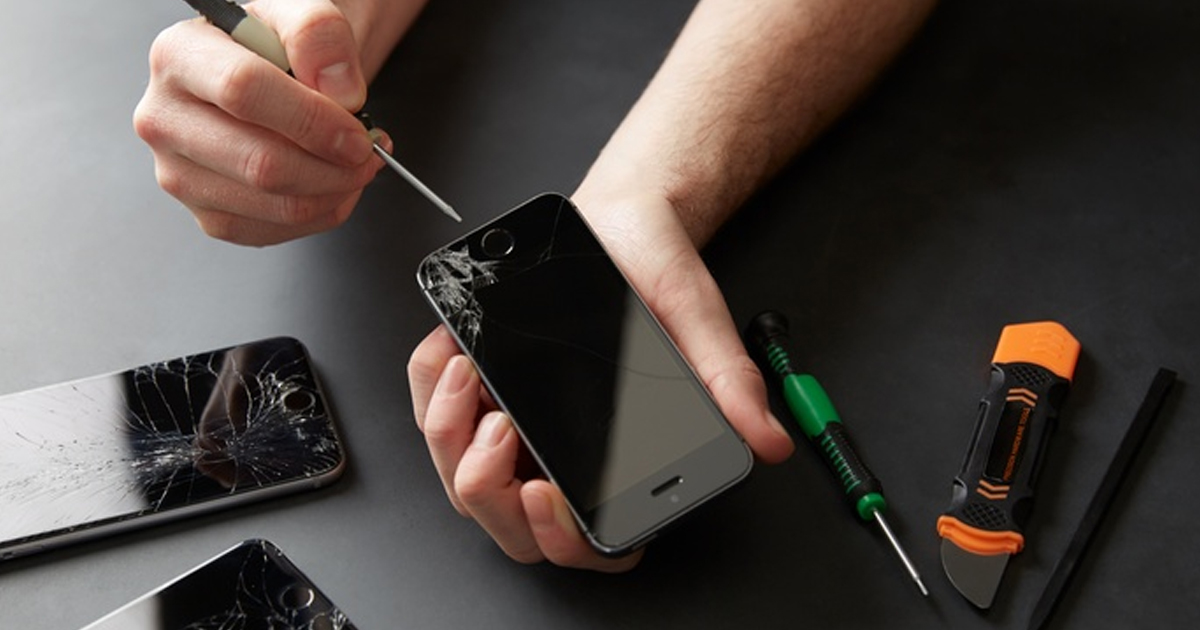
Your phone not charging does not always mean the port is broken. Often the cause is a small thing you can miss. First, look closely at the connector for lint. If you see any grime, clear it out gently. Also check for a little corrosion, just in case. Next, examine the cable. If it looks worn, frayed, or too old, swap it for another one. Then clean the port with care. In many cases, the issue is fixed in only a few minutes.
Still, there are cases where you should stop and get help. If the phone will not charge after you clean it, something else may be going on. If the screen is cracked and causing weird display issues or touch problems, that is a good sign to use a repair tech. Trying to fix a port or swap a screen by yourself can turn into a real mess. You may not need that stress.
You plug your phone in before bed. You wake up to 4% battery and a message that says “not charging” or nothing at all. It’s not dramatic. It’s just quietly annoying, and it usually happens at the worst possible time, right before a trip or a shift you can’t be late for.
Here’s the thing most people miss: a dead charging port and a cracked screen are two completely different repairs, with different tools, different risks, and different price tags. Lumping them together is how people end up overpaying, or worse, turning a $40 fix into a $200 one.
What’s Actually Wrong With Your Charging Port
Before you assume the worst, rule out the boring stuff. It solves this more often than you’d think.
Lint and pocket debris. USB-C and Lightning ports are small, and pockets are dirty. Dust, lint, and micro-debris pack into the port over months until the connector can’t make full contact with the pins. A wooden toothpick (never metal, never a paperclip) and a flashlight can clear this in under two minutes for a lot of phones.
A worn or cheap cable. Cables are consumables. With bending, the copper inside wears down. Cheap cables from other sellers often fail earlier than the cable that came with the box. If you have a spare cable, use that one first, then call.
Water can lead to rust on metal parts. When sweat gets inside, or if the air stays damp for long periods, or if droplets splash in spots you miss, a light layer may form on the contacts.. This one doesn’t clean out with a toothpick. If you notice corrosion or signs of liquid exposure, avoid aggressive cleaning and have the port inspected by a repair technician.
Actual physical damage to the port. Bent pins, a cracked housing, or a port that’s come loose from the logic board inside. This is where phone charging port repair stops being a home project. Depending on the phone model, the charging port may be mounted on a separate assembly or require board-level repair, and a slip with a metal tool can short the whole board.
One thing worth saying plainly: Improper cleaning can damage the delicate contacts inside a charging port and turn a simple cleaning issue into a more expensive repair. A bent paperclip pin can turn a $50 repair into a $250 motherboard swap. If the toothpick and cable test does not work, stop and do not go further.
Signs You Need a Professional, Not a YouTube Tutorial
A few signals separate “clean it yourself” from “hand it to a tech”:
- The phone charges only when you hold the cable at a specific angle
- You see visible corrosion, bent pins, or a port that wiggles
- The phone got wet in the last few weeks, even briefly
- Charging works with a wireless pad but not the cable at all
Any one of those points to internal damage that a cotton swab won’t fix. This is exactly the kind of case where phone charging port repair from a shop that does microsoldering pays for itself. A technician can remove the housing, check the connector closely under magnification, then swap only the damaged port. This means you do not have to replace the entire charging assembly.
Cost is usually where people hesitate. Port repairs typically run less than half the price of a full board replacement, and a same-day turnaround is normal for most phone models. Waiting doesn’t help. A port that’s intermittently connecting today is often a port that’s fully dead in three weeks, once corrosion or a cracked solder joint finishes the job.
What About the Screen? When a Crack Stops Being Cosmetic
A cracked screen is a different animal entirely, but it shows up in the same conversation constantly, since most people dropping their phone hard enough to damage a charging port also stress the glass.
Not every crack needs immediate attention. A spiderweb in the corner that doesn’t affect touch response is annoying but not urgent. Three things change that:
- Touch response is inconsistent. Taps register in the wrong spot, or a section of the screen doesn’t respond at all. That’s the digitizer failing, not just the glass.
- The display shows lines, discoloration, or dead pixels. That’s damage to the LCD or OLED panel underneath the glass, and it gets worse, not better.
- Glass shards are lifting. A phone that’s actively shedding glass is a cut risk every time you pick it up.
For iPhones specifically, iphone screen repair has gotten more complicated over the last few generations. Newer models pair the screen to the phone’s True Tone sensor and Face ID hardware, so a low-quality aftermarket screen can disable features the original screen supported. This is one repair where the part quality matters as much as the labor.
Is it always worth fixing? No. A phone that is around five years old, has a cracked display, and a battery that drops fast can be hard to justify for repair. In many cases, getting a new replacement makes more sense.
If the phone is less than three years old, fixing the screen often costs less than buying a new device.. It also uses less in terms of the planet impact.
DIY vs Professional: What Actually Saves You Money
I get why people reach for a $15 screen repair kit or a $6 charging port cleaning tool. The upfront cost looks great. But here’s the math that doesn’t show up in the product reviews:
The failure rate on DIY screen kits is the part nobody advertises. Getting the adhesive seal right on a modern phone, especially anything with water resistance, takes practice most people only get after their third attempt, on their own phone.
What to Expect at a Repair Shop in Wichita
A decent shop starts with diagnosis before repair, not a quote before they’ve even opened the case. For charging port issues specifically, that means testing the port under a scope, checking for corrosion or lifted solder pads, and confirming the battery and charging chip aren’t the actual culprits before replacing anything.
For screens, expect a walkthrough of part options. Original manufacturer parts cost more and preserve every feature. Quality aftermarket parts are cheaper and fine for most daily use, but they can affect True Tone or brightness matching on certain iPhone models. A shop that explains that trade-off up front, instead of just handing you the cheapest option, is one worth trusting with the repair.
Turnaround matters too. Most charging port and screen jobs for common phone models are done the same day. Some get wrapped up in about an hour if we have the parts nearby and do not need to order them.
Frequently Asked Questions
Q: Why will my phone not charge even with a new cable?
A: If a cable that we know works and a different wall charger still fail to charge the phone, the issue is usually inside the port. It can be lint or debris, rust or corrosion, or broken metal pieces on the connector. Sometimes the solder points inside the device get damaged too.
Q: Can I clean the charging port on my own?
A: Yes, but do it carefully. Use a wooden toothpick or a plastic pick, and keep the phone off while you clean. Do not use metal tools. Avoid blasting air at high pressure. Both can push dirt farther in or bend the internal contacts.
Q: What does a charging port repair usually cost?
A: In many cases, it is priced less than a full board repair or a charging flex replacement. The exact amount depends on the phone model. It also depends on whether the damage is only the connector or if more parts were hurt.
Q: Should you fix a cracked iPhone screen?
A: In many cases, yes. It helps a lot when the phone is still fairly new, around three years old or less. A screen job is usually cheaper than swapping the whole device. It also brings everything back to normal when the touch layer and display are not damaged at the same time.
Q: How long do screen or charging port repairs take?
A: Most repairs for popular phone models are finished the same day. Many are done within one to two hours when the right parts are already on hand.
Q: Will an inexpensive third party screen be fine on my iPhone?
A: It varies by model. Aftermarket screens may work well for basic viewing and touch. On newer iPhones, they can cause color settings to look off or show a warning in the phone. Call the shop and ask them which screen parts they use. Do this before you book the appointment.
If your phone starts showing any of these problems, do not let it slide. Have someone look at it right away. Paying for a check now is usually cheaper than dealing with more damage later.